
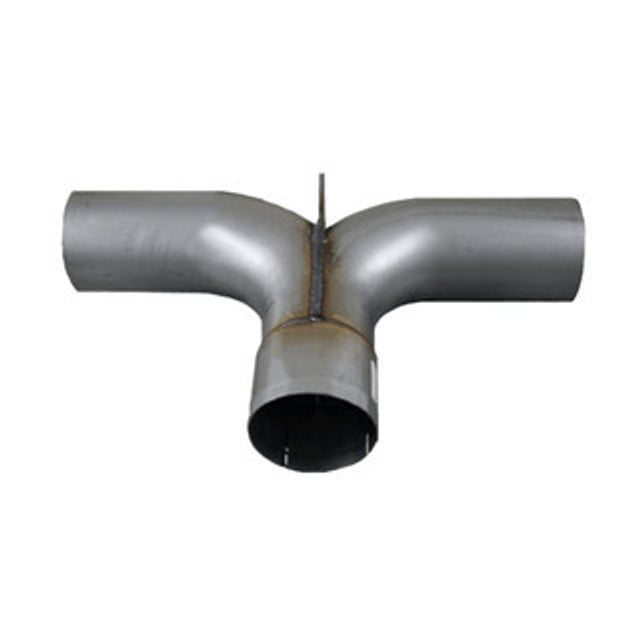
 Type A Y-Pipes
Y-Pipe Exhaust
An efficient option for merging streams, an exhaust Y-pipe offers a smoother, less restricted flow. Learn about the different variations of Y-pipes and their benefits before browsing our extensive selection.
What Are Y-Pipes, and What Do They Do?
Y-pipes are exhaust components that combine two pipes into one — or separate one into two — via their namesake Y shape. Two pipes connect at the top of the Y, with a single pipe coming out of the bottom.
In an exhaust system, how Y-pipes work depends on the engine type. For a V6 or V8 engine, a Y-pipe connects two exhaust pipes — one from each cylinder — into one. In single exhaust systems, a Y-pipe can split one pipe into two for a dual exhaust look and sound.
For either situation, combining or separating two exhaust pipes can improve the flow of exhaust gases, change the system's sound, and enhance overall engine performance.
When and Why Are Y-Pipes Used?
A Y-pipe offers several benefits for your exhaust system, including:
- Boosting performance: Improves horsepower and torque by reducing restriction and backpressure
- Modifying sound: Creates a louder and deeper exhaust note than other crossover options
- Saving space: Fits into tighter engine bays and is lighter than double exhaust setups
Key Features of Y-Pipes
There are several features to consider when shopping for Y-pipes. Firstly, our Y-pipes come in three types, separated by how the pipe splits, to fit different vehicles and uses. These include:
- Type A: The top part of the Y shape is flattened into two 90-degree angles in either direction.
- Type B: The Y is formed by one straight up and down pipe with an offshoot at a 90-degree angle.
- Type C: The two pipe openings at the top of the Y shape are closer together, offset by lesser angles to the bottom pipe's trajectory.
When it comes to materials, two options prevail in the auto industry:
- Aluminized steel: This is a cost-effective alternative that lands between more corrosive mild steel and highly rust-resistant stainless steel. The coating of aluminum and silicone makes the part last longer at an affordable price.
- Stainless steel: This is a more premium choice for added corrosion resistance and durability. Two different grades of stainless steel are commonly used in Y-pipes: a magnetic chromium-steel alloy named T409, and the longest-lasting but higher-cost grade, T304.
Y-pipes also come in different sizes to fit with the existing exhaust pipes in your truck. In our size specs, we show the Inside Diameter (ID) of the "female" ends of the pipe and the Outside Diameter (OD) of the "male" ends. An Outside Diameter (OD) pipe end will slide inside an ID end for a leak-free fit.
Y-Pipes Vs. Other Crossovers
Other crossovers include H- and X-shaped pipes. Y-pipes create a more straightforward merge, making them great for basic flow improvement and single outlet systems. They excel at simplifying the overall exhaust system, decreasing backpressure, and enhancing sound and performance.
H-pipes and X-pipes connect two pipes to two pipes, providing a balanced flow. An exhaust system with an H-pipe boosts low-end torque and produces a low, powerful sound. Meanwhile, a system using an X-pipe features a smooth crossover that causes a higher-pitched sound and better high-RPM power.
Why Buy Truck Pipes USA's Y-Pipes?
At Truck Pipes USA, we stock an extensive array of parts in every size and configuration to fit your specific use case. We offer original equipment manufacturer (OEM) and custom Y-Pipes in types A, B, and C and a wide assortment of diameters to accommodate every application.
Quality, compliance, and convenience are a part of our identity, with high-performing parts that meet or exceed TS16929 standards and a friendly and knowledgeable US-based customer service team. Find the Y-pipes you need below and receive free, prompt shipping for orders over $99.
Type A Y-Pipes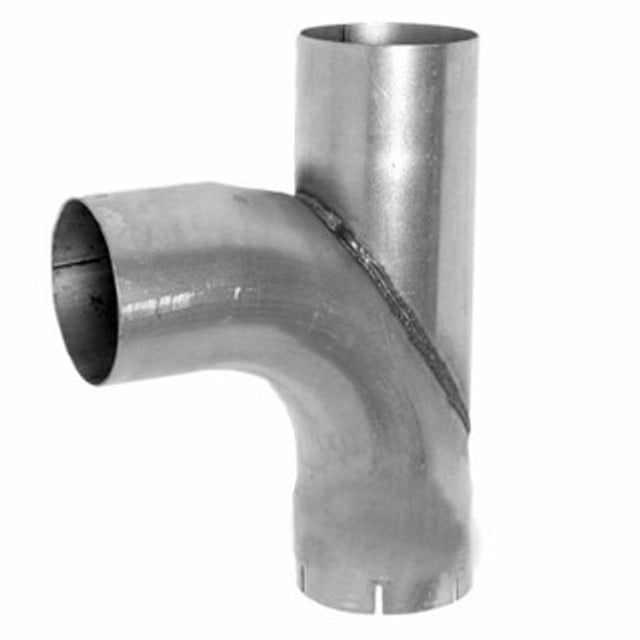 Type B Y-Pipes
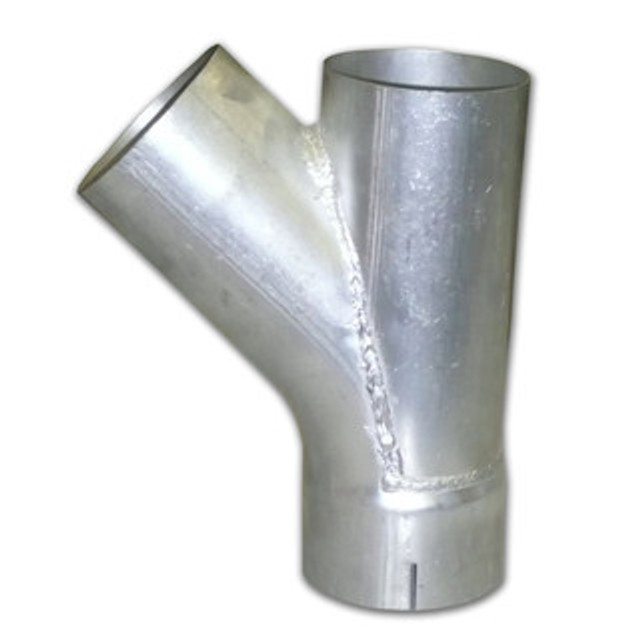 Type C Y-Pipes
Loading...
Sort by:
Products per page:


Grand Rock14-13965 Peterbilt 357-378 Aluminized Exhaust Y-Pipe 14-15500
MSRP: $1,699.00
$1,499.00
Loading...


Grand Rock14-15353-0150 Peterbilt Exhaust Y Pipe in 409 Stainless Steel
MSRP: $918.00
$667.45
Loading...

Grand Rock409 Stainless Steel Peterbilt 357-378 Aluminized Exhaust Y-Pipe
MSRP: $2,386.00
$1,942.58
Loading...


Loading...
68 products total